
Disaster Recovery Plan PDF: A Comprehensive Guide
Today, March 16, 2026, at 07:24:46, a robust PDF disaster recovery plan is crucial; testing ensures backups are usable, aligning with RPO and RTO goals․
Disaster Recovery Planning (DRP) is a proactive process, vital for organizational resilience in the face of unforeseen disruptions․ A well-defined plan, often documented as a Disaster Recovery Plan PDF, outlines the strategies and procedures to restore critical business functions following a disaster․ These disasters can range from natural events like floods and earthquakes to human-induced incidents such as cyberattacks or accidental data deletion․
The core objective of DRP is to minimize downtime and data loss, ensuring business continuity․ Effective planning involves identifying critical systems, assessing potential risks, and establishing recovery objectives – specifically, the Recovery Point Objective (RPO) and Recovery Time Objective (RTO)․ These objectives dictate acceptable data loss and system downtime, respectively․ A comprehensive DRP PDF serves as a central repository for this information, facilitating a coordinated and efficient response during a crisis․
What is a Disaster Recovery Plan (DRP)?
A Disaster Recovery Plan (DRP) is a documented, structured approach detailing how an organization will respond to and recover from disruptive events․ Often compiled as a Disaster Recovery Plan PDF for easy access and distribution, it’s more than just a backup strategy; it’s a holistic blueprint for business continuity․ The plan identifies critical business functions and the resources needed to support them․
Crucially, a DRP defines Recovery Point Objectives (RPO) – the maximum acceptable data loss – and Recovery Time Objectives (RTO) – the targeted duration for system restoration․ It outlines step-by-step procedures, communication protocols, and roles/responsibilities․ A robust DRP PDF also addresses potential threats like ransomware, detailing mitigation strategies and backup integrity checks, ensuring a swift and effective return to normal operations after a disruption․
The Importance of a DRP PDF Format
Utilizing a Disaster Recovery Plan (DRP) in PDF format offers significant advantages․ PDFs ensure consistent formatting across all devices, preventing display issues during a crisis when immediate readability is paramount․ They are easily shareable, distributable, and archiveable, crucial for offsite storage and accessibility․ A DRP PDF can be password-protected, enhancing security and controlling access to sensitive recovery information․
Furthermore, PDFs are relatively lightweight, facilitating quick transmission even with limited bandwidth․ They maintain document integrity, preventing accidental alterations to critical recovery procedures․ While a DRP PDF isn’t a replacement for regular testing, it provides a stable, reliable, and universally accessible version of the plan, ensuring all team members have the information needed to execute recovery efforts effectively, minimizing downtime and data loss․

Key Components of a Disaster Recovery Plan
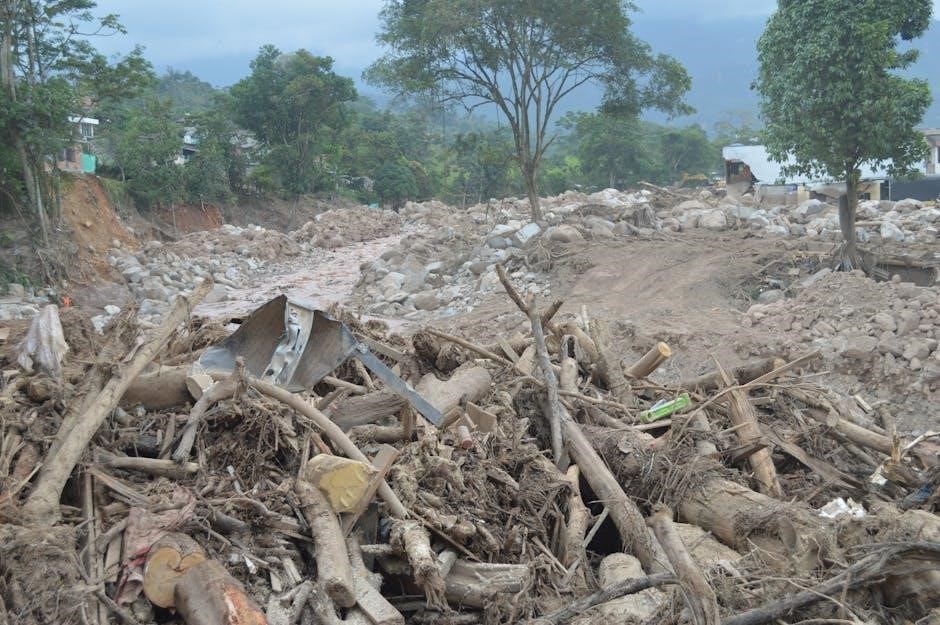
Essential elements include risk assessments, RPO/RTO definitions, data backup strategies, communication protocols, team roles, and security measures for resilient recovery․
Risk Assessment and Business Impact Analysis (BIA)
A thorough risk assessment identifies potential threats – natural disasters, cyberattacks, hardware failures – and their likelihood of occurrence․ This process must be coupled with a Business Impact Analysis (BIA) to determine the critical functions and systems essential for business continuity․ The BIA quantifies the financial, operational, and reputational damage resulting from disruptions․
Understanding the impact allows prioritization of recovery efforts․ For example, a database deletion scenario, potentially caused by stolen credentials, demands immediate attention․ Assessing the impact of losing a week’s worth of data (RPO) versus a day’s (RPO) informs backup frequency․ Similarly, determining acceptable downtime (RTO) – an hour versus a day – dictates recovery strategy complexity․ Risk is calculated as likelihood multiplied by impact; lower RPO/RTO are justified for high-risk, high-impact scenarios․
Defining Recovery Point Objective (RPO)
Recovery Point Objective (RPO) dictates the maximum acceptable data loss measured in time․ It answers the question: how much data is the organization willing to lose in a disaster? An RPO of one hour means a maximum of one hour’s worth of data could be lost․ This directly influences backup frequency; a shorter RPO necessitates more frequent backups․
Consider a scenario where a database is compromised․ If the RPO is a week, restoring to a week-old backup is acceptable․ However, if it’s an hour, more frequent backups are vital․ Malware lying dormant for 30 days highlights the need for clean backups․ RPO isn’t uniform; critical systems demand tighter RPOs than less essential ones․ Carefully evaluating the business impact of data loss is paramount when establishing realistic RPO values․
Defining Recovery Time Objective (RTO)

Recovery Time Objective (RTO) defines the maximum tolerable downtime for a system following a disaster․ It addresses the question: how long can the organization afford to have a system unavailable? An RTO of four hours means the system must be operational within four hours of the disaster declaration․
RTO significantly impacts recovery strategies․ A shorter RTO demands more sophisticated and potentially costly solutions like hot sites or rapid virtualization․ Conversely, a longer RTO allows for simpler, less expensive methods like restoring from offsite backups․ Consider a scenario: a stolen credential incident requiring full system rebuild․ RTO dictates the speed of recovery․ It’s crucial to balance RTO with cost; exceeding the cost of risk acceptance is unwise․ RTO, like RPO, can vary based on system criticality․
Data Backup and Recovery Strategies
Effective data backup and recovery are cornerstones of any disaster recovery plan․ Strategies range from traditional full and incremental backups to more advanced techniques like continuous data protection (CDP)․ The frequency of backups directly correlates with the Recovery Point Objective (RPO) – how much data loss is acceptable?
Consider the risks: a malicious actor deleting backups alongside primary data․ Ransomware-resistant backups require immutability – preventing deletion․ Simple VM snapshots are vulnerable; malware can infect all snapshots․ Infrastructure as Code (IaC) offers a more resilient approach, storing configuration in secure, auditable repositories․ Backups should be both onsite for rapid recovery and offsite for protection against localized disasters․ Regularly testing these strategies is paramount to ensure recoverability․
Onsite vs․ Offsite Backups
A layered backup approach necessitates both onsite and offsite strategies․ Onsite backups, like direct-attached storage or network-attached storage, provide rapid recovery times (RTO) for minor incidents – accidental deletions or localized failures․ However, they’re vulnerable to the same physical disasters affecting the primary site․
Offsite backups, utilizing cloud services or geographically separate data centers, protect against widespread events․ While offering greater resilience, offsite recovery typically involves longer RTOs due to network transfer times․ The ideal solution balances speed and security․ Immutable cloud storage is crucial for ransomware protection, preventing attackers from deleting backups․ Regularly testing both onsite and offsite recovery processes validates their effectiveness and ensures business continuity․
Cloud-Based Disaster Recovery Solutions
Cloud solutions offer scalable and cost-effective disaster recovery (DR) options․ Services like Infrastructure as a Service (IaaS) allow replicating entire environments to the cloud, enabling rapid failover․ Disaster Recovery as a Service (DRaaS) provides a fully managed DR solution, simplifying implementation and reducing internal overhead․ Cloud backups, especially utilizing immutable storage, are vital for ransomware protection, safeguarding against data loss and extortion․
However, reliance on cloud providers introduces dependencies․ Network connectivity is paramount; outages can hinder recovery․ Data egress costs should be carefully considered․ Regularly testing failover procedures and validating Recovery Point Objectives (RPOs) and Recovery Time Objectives (RTOs) are essential to ensure the cloud-based DR plan meets business needs․
Virtualization and Disaster Recovery
Virtualization significantly enhances disaster recovery capabilities․ Virtual machines (VMs) can be easily backed up, replicated, and restored, streamlining the recovery process․ VM snapshots provide quick recovery points, though their effectiveness against ransomware requires careful consideration due to potential infection propagation across snapshots․ Infrastructure as Code (IaC) paired with virtualization allows defining server configurations as code, stored in ransomware-resistant repositories, enabling faster and more auditable rebuilds․
However, relying solely on VM snapshots isn’t sufficient․ A comprehensive strategy should include regular full backups and IaC for infrastructure definition․ Testing recovery procedures, including failover to secondary sites, is crucial to validate RPOs and RTOs․ Virtualization simplifies DR, but a well-defined plan remains essential․

Developing Your Disaster Recovery Plan PDF
Documenting critical systems, creating step-by-step recovery processes, and establishing a clear communication plan are vital for a successful, actionable disaster recovery PDF․
Documenting Critical Systems and Data
Thorough documentation is the bedrock of any effective disaster recovery plan․ Begin by meticulously identifying all critical systems – servers, databases, applications, and network devices – essential for business operations․ For each system, detail its function, dependencies, and the data it processes or stores․
Inventory all data, categorizing it by sensitivity and importance․ Specify data locations, backup frequencies, and retention policies․ Include details on data ownership and access controls․ Don’t forget to document configuration settings, software versions, and licensing information․
This documentation should be readily accessible in your Disaster Recovery Plan PDF, providing a clear understanding of your IT environment․ Regularly update this information to reflect changes in your infrastructure and data landscape․ A well-maintained inventory is invaluable during a recovery event, minimizing downtime and ensuring a swift return to normalcy․
Creating a Step-by-Step Recovery Process
A detailed, step-by-step recovery process is paramount within your Disaster Recovery Plan PDF․ Outline procedures for each potential disaster scenario, from minor incidents like accidental deletions to major events like ransomware attacks․ Each step should be clear, concise, and assign specific responsibilities to team members․
Include instructions for restoring data from backups, rebuilding systems, and re-establishing network connectivity․ Prioritize recovery efforts based on RTOs – systems with shorter recovery times should be addressed first․ Document escalation procedures for situations requiring higher-level intervention․
Consider minor disasters, like accidental VM deletions or flawed SQL updates․ This process must be easily followed under pressure, so simplicity and clarity are key․ Regularly review and refine these steps based on testing and lessons learned, ensuring a smooth and efficient recovery․
Communication Plan During a Disaster
A robust communication plan is vital within your Disaster Recovery Plan PDF․ Establish clear channels for internal and external communication during a disaster․ Identify key stakeholders – IT staff, management, customers, and potentially regulatory bodies – and define how they will be informed․
Include pre-defined communication templates for various scenarios, streamlining messaging․ Designate a communication lead responsible for disseminating information and managing inquiries․ Consider redundant communication methods – email, phone, instant messaging – to ensure reachability even if primary systems fail․
Regularly test the communication plan to verify its effectiveness․ Address potential challenges like network outages or limited access to systems․ Transparency and timely updates are crucial for maintaining trust and minimizing disruption during a crisis․ Ensure contact information is always current and readily available․
Roles and Responsibilities of Team Members
Clearly defined roles are paramount within your Disaster Recovery Plan PDF․ Each team member must understand their specific responsibilities before, during, and after a disaster event․ Designate a Disaster Recovery Coordinator with overall authority and accountability․
Assign roles for data backup and restoration, system recovery, communication, and security․ Detail specific tasks, such as server rebuilds, application restarts, and data validation․ Include backup personnel for critical roles to ensure coverage during absences․
Document contact information for all team members, including primary and secondary contact methods․ Regularly review and update these roles and responsibilities to reflect organizational changes․ Training and drills are essential to ensure team members are prepared to execute their assigned tasks effectively during a crisis․

Security Considerations in Disaster Recovery
Protecting backups from ransomware is vital; immutable storage and credential security are key, alongside malware detection, ensuring data integrity during recovery processes․
Ransomware Protection and Backup Integrity
Ransomware poses a significant threat to disaster recovery efforts, demanding proactive measures to safeguard backups․ Traditional methods, like VM snapshots, can be compromised if malware lies dormant within the system for extended periods – potentially infecting all snapshots created during that timeframe․ To create truly ransomware-resistant backups, implement solutions that prevent the complete deletion of backups by any single entity, including compromised credentials․
Consider immutable storage options, where data cannot be altered or deleted once written․ Infrastructure as Code (IaC) offers another layer of defense; by defining server configurations as code and storing that code in ransomware-resistant storage, you gain a verifiable audit trail for restoration․ This approach allows for more precise recovery than relying solely on potentially infected snapshots․ Regularly assess and update your backup strategy to address evolving ransomware tactics and ensure data integrity․
Credential Security and Access Control
A critical vulnerability in disaster recovery lies in compromised credentials․ A malicious actor gaining access can delete databases, servers, and even backups, rendering your recovery efforts futile․ Robust access control is paramount; implement the principle of least privilege, granting users only the permissions necessary to perform their duties․ Multi-factor authentication (MFA) adds an essential layer of security, making it significantly harder for attackers to gain unauthorized access, even with stolen credentials․
Regularly audit user permissions and revoke access for departing employees promptly․ Employ strong password policies and encourage the use of password managers․ Consider utilizing privileged access management (PAM) solutions to control and monitor access to sensitive systems․ Securely store and rotate backup credentials, preventing them from becoming a single point of failure․
Malware Detection and Mitigation in Backups
Backups aren’t inherently safe from malware; dormant threats can persist for weeks, potentially re-infecting systems during restoration․ Simple VM snapshots can propagate infections across all recovery points․ Implement robust malware scanning on backups, but recognize that signature-based detection isn’t foolproof․ Consider immutable storage for backups, preventing modification or deletion by ransomware․ Regularly test backup integrity to ensure recoverability and cleanliness․
Infrastructure as Code (IaC) offers a powerful mitigation strategy․ By defining infrastructure as code and storing it in ransomware-resistant storage, you can rebuild systems from a known-good state, bypassing potentially infected backups․ Employ air-gapped backups – physically isolated from the network – for an extra layer of protection․ Regularly audit backup processes and logs for suspicious activity․

Testing and Maintaining Your DRP
Regular testing validates RPO/RTO effectiveness, assesses cost implications, and ensures the disaster recovery plan PDF remains current and reliably protects critical business functions․
Regular Disaster Recovery Testing
Consistent disaster recovery testing is paramount; a plan’s value diminishes if untested․ Simulate various scenarios – from minor accidental deletions (like a rogue SQL update) to catastrophic events like ransomware attacks or credential theft․ Evaluate if recovery aligns with defined Recovery Point Objectives (RPOs) and Recovery Time Objectives (RTOs)․
Testing reveals weaknesses in backup procedures, identifies gaps in documentation, and validates team member understanding of their roles․ Consider testing different recovery methods, including restores from snapshots, Infrastructure as Code (IaC) deployments, and cloud-based failover․ Don’t overlook the importance of testing backup integrity to ensure they aren’t already compromised by dormant malware․ Thorough testing transforms a theoretical plan into a practical, reliable safeguard․
Evaluating RPO and RTO Effectiveness
Post-testing, rigorously evaluate if achieved RPOs and RTOs meet business needs․ Did the restoration process stay within the acceptable data loss window (RPO)? Was system availability restored within the defined timeframe (RTO)? Analyze discrepancies – exceeding either objective signals a need for plan adjustments․
Consider the cost implications of differing RPO/RTO values․ A tighter RPO/RTO often demands more expensive solutions․ If the cost outweighs the risk of a longer downtime or greater data loss, re-evaluate those objectives․ Scenario-specific RPOs/RTOs are often prudent; higher criticality systems warrant stricter targets․ Remember, risk equals likelihood multiplied by impact – prioritize accordingly, ensuring the plan delivers appropriate protection․
Cost Analysis of Disaster Recovery Implementation
A thorough cost analysis is vital when building a disaster recovery plan․ Factor in expenses for backup solutions (hardware, software, cloud services), replication technologies, and necessary infrastructure․ Don’t overlook ongoing maintenance costs – regular testing, updates, and personnel time contribute significantly․
Compare these costs against the potential financial impact of a disaster, including lost revenue, reputational damage, and recovery expenses․ Determine if the cost of implementing and maintaining the DR capability exceeds the cost of accepting a less stringent RPO or RTO․ If so, explore adjusting those objectives․ Prioritize investments based on criticality and potential impact, ensuring a cost-effective and resilient solution․

Updating the DRP PDF Regularly
A disaster recovery plan isn’t a static document; it requires frequent updates․ Regularly review and revise the DRP PDF to reflect changes in your IT infrastructure, business processes, and threat landscape․ New systems, applications, and data necessitate plan modifications․
Ensure contact information for team members remains current, and recovery procedures align with the latest configurations․ Incorporate lessons learned from disaster recovery testing exercises․ Malware evolves, so backup integrity checks and ransomware protection strategies must be revisited․ Aim for at least annual comprehensive reviews, with more frequent updates triggered by significant changes, maintaining a current and effective plan․

Advanced Disaster Recovery Concepts
Infrastructure as Code (IaC) and scenario-specific planning enhance resiliency, while understanding risk—likelihood multiplied by impact—optimizes RPO/RTO strategies effectively․
Infrastructure as Code (IaC) for Resiliency
Leveraging Infrastructure as Code (IaC) dramatically improves disaster recovery capabilities․ Instead of relying solely on virtual machine snapshots – which can be compromised by dormant malware or ransomware – IaC defines your server configurations as code․ This code, stored in ransomware-resistant storage, provides a verifiable and auditable baseline for restoration․
After a disaster, you can rebuild your infrastructure from this code, ensuring a clean and secure recovery․ This approach simplifies auditing and validation, confirming the restored environment matches the intended configuration․ IaC facilitates faster recovery times (RTO) and minimizes potential data loss (RPO) by automating the rebuilding process․ Furthermore, IaC promotes consistency across environments, reducing configuration drift and potential recovery issues․ It’s a powerful tool for modern disaster recovery planning, offering enhanced security and control․
Scenario-Specific Disaster Recovery Planning
A truly effective disaster recovery plan doesn’t adopt a one-size-fits-all approach; it anticipates diverse scenarios․ Consider the impact of credential theft leading to widespread data deletion, including backups – necessitating immutable backup storage․ Account for malware’s potential dormancy, meaning recent backups might still be infected, requiring layered security and regular audits․
Minor incidents, like accidental VM deletions or flawed database updates, also demand recovery strategies․ Recognize that Recovery Point Objectives (RPO) and Recovery Time Objectives (RTO) can – and should – vary based on the scenario’s likelihood and impact․ Risk equals likelihood multiplied by impact; prioritize faster recovery for high-impact, probable events․ Tailoring your plan to specific threats ensures efficient resource allocation and minimizes downtime, ultimately strengthening your overall resilience․
Risk Management: Likelihood vs․ Impact
Effective disaster recovery hinges on a clear understanding of risk, which isn’t simply about potential disasters, but a calculated assessment of their probability and consequences․ Risk isn’t solely determined by a catastrophic event; a frequent, minor disruption can accumulate significant costs․ Prioritize scenarios based on this duality – high-impact, low-likelihood events require different strategies than frequent, low-impact ones․
Evaluating RPO and RTO becomes crucial within this framework․ Accepting a longer RTO for a less probable event might be cost-effective, while a critical system demands aggressive RTO/RPO targets․ Remember, the cost of disaster recovery must be weighed against the cost of accepting the risk․ A thorough risk assessment informs resource allocation, ensuring your plan addresses the most pressing vulnerabilities efficiently and realistically․