
Pathfinder Advanced Players Guide: A Comprehensive Overview (Updated 04/30/2026)
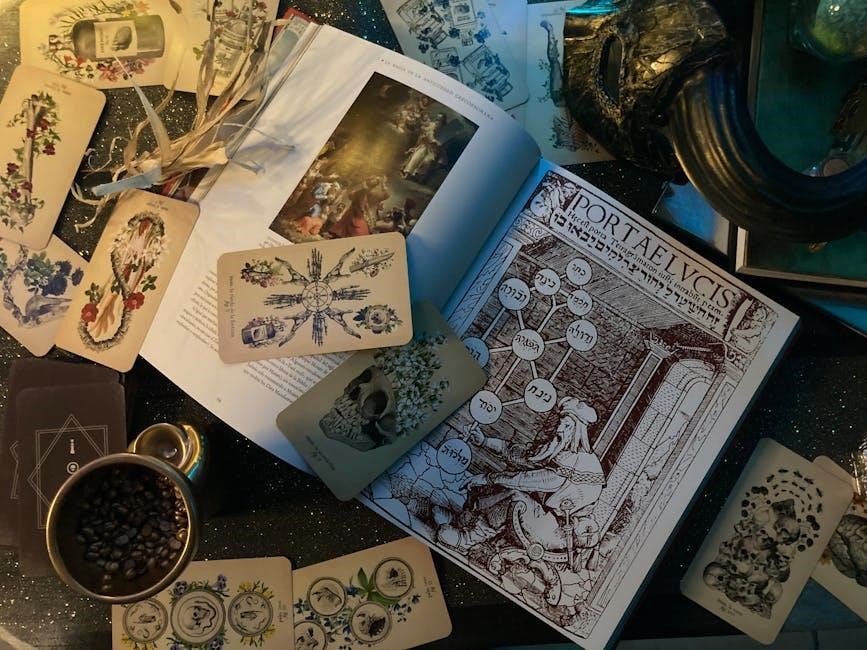
Pathfinder’s Advanced Players Guide expands character options, introducing new ancestries and classes, while refining existing rules for a richer tabletop experience.

The Pathfinder Advanced Players Guide serves as a substantial expansion to the core rulebook, offering players and Game Masters a wealth of new options to customize and enhance their Pathfinder 2nd Edition experience. Released to broaden the scope of character creation and gameplay, this guide isn’t merely a collection of additions; it represents a significant deepening of the game’s mechanics and lore. It introduces entirely new ancestries – like the celestial Aasimar, agile Catfolk, cursed Dhampirs, and infernal Tieflings – providing diverse backgrounds and inherent abilities.
Furthermore, the Advanced Players Guide unveils six new classes: the versatile Alchemist, the commanding Cavalier, the zealous Inquisitor, the enigmatic Oracle, the powerful Summoner, and the mystical Witch. These classes offer unique playstyles and strategic depth, catering to a wider range of player preferences. Beyond these core additions, the guide also features a robust selection of archetypes, allowing for further customization of existing classes, ensuring no two characters are exactly alike.
Historical Context & Relationship to Pathfinder 2e Core Rulebook
The Pathfinder Advanced Players Guide (APG) initially emerged as a key component in the evolution of the Pathfinder roleplaying system, building upon the foundation established by the Core Rulebook. Released after the initial Pathfinder 2e launch, it addressed a desire for expanded character options and more intricate rules. Later, Paizo revisited much of this content in Player Core 2, essentially remastering and refining many of the APG’s concepts.
While Player Core 2 can be viewed as a more polished iteration, inspired by a need to distance from the Open Game License (OGL), the APG remains historically significant. It wasn’t a simple rehash; it introduced entirely new elements and provided a stepping stone for future development. The APG offered advanced features, archetypes, and four brand-new classes, supplementing the twelve found in the Core Rulebook, establishing a richer, more customizable Pathfinder experience.
Key Differences Between Pathfinder RPG Advanced Players Guide and Player Core 2
The primary distinction lies in Player Core 2’s role as a remastered version, representing Paizo’s second pass at content initially presented in the Advanced Players Guide (APG). While both expand upon the core rules, Player Core 2 benefits from subsequent design refinements and a deliberate move away from the Open Game License (OGL) constraints.
The overlap isn’t perfect; Player Core 2 doesn’t encompass all APG content, but it offers a more cohesive and updated presentation. The APG introduced four new classes – Alchemist, Cavalier, Inquisitor, Oracle, Summoner, and Witch – alongside advanced features and archetypes. Player Core 2 integrates and refines these, offering a streamlined experience. Ultimately, if choosing one, Player Core 2 is generally recommended for its modern design and comprehensive approach.
New Ancestries Introduced
The Advanced Players Guide significantly broadened character creation options by introducing several compelling new ancestries to the Pathfinder universe. These additions allowed players to move beyond the standard fare and explore unique heritages with distinct abilities and cultural backgrounds. Among the most notable were the Aasimar, celestial beings touched by the divine, and the Catfolk, agile and feline humanoids.
Further expanding the possibilities, the guide also presented Dhampirs, individuals cursed and blessed with the blood of vampires, and Tieflings, those marked by infernal lineage. These ancestries weren’t merely reskins; they offered unique heritages, feats, and abilities, enriching the game’s diversity and providing players with exciting new roleplaying opportunities. These additions were a key selling point for many players.

Aasimar: Celestial Heritage and Abilities
Aasimar, presented within the Advanced Players Guide, represent a fascinating ancestry steeped in celestial heritage. These individuals are touched by the divine, inheriting traits and abilities from their angelic forebears. This manifests in a variety of ways, granting them resistances to negative energy, enhanced senses, and the potential for radiant auras.
Players choosing Aasimar gain access to unique feats and heritages, allowing for customization reflecting their specific angelic lineage. They often possess a strong moral compass and are drawn to paths of righteousness, though the guide acknowledges the potential for fallen Aasimar, those who succumb to darker influences. The ancestry provides a compelling narrative framework, blending divine power with personal struggle and offering a unique roleplaying experience.
Catfolk: Feline Agility and Traits
Catfolk, a popular ancestry introduced in the Advanced Players Guide, embody feline grace and agility. These humanoid cat people are known for their exceptional dexterity, keen senses, and natural climbing abilities. The guide details how Catfolk possess traits like low-light vision, a climb speed, and a natural affinity for stealth, making them ideal for rogue-like or ranger-focused characters.

Players can further customize their Catfolk with various heritages, reflecting different feline breeds and cultural backgrounds. These options influence their appearance and grant additional abilities. The ancestry encourages a playful and independent playstyle, fitting for characters who value freedom and cunning. Catfolk offer a unique aesthetic and a compelling set of mechanical advantages for players seeking a nimble and resourceful character.
Dhampirs: The Curse and Gifts of Mixed Blood
Dhampirs, presented within the Advanced Players Guide, represent a fascinating and often tragic ancestry – the offspring of vampires and mortals. This mixed heritage bestows upon them both a curse and a collection of unique gifts. Dhampirs grapple with a constant thirst, though not for blood itself, and possess vulnerabilities to sunlight and certain religious symbols. However, they also gain advantages like darkvision, resistance to negative energy, and enhanced senses.
The guide explores the societal implications of being a Dhampir, often facing prejudice and fear. Players choosing this ancestry can lean into the character’s internal conflict, balancing their mortal desires with their vampiric urges. Dhampirs offer a compelling roleplaying experience, blending elements of darkness and resilience, and providing a unique perspective within the Pathfinder world.
Tieflings: Infernal Lineage and Powers
Tieflings, detailed in the Advanced Players Guide, are marked by their infernal heritage, a lineage tracing back to devils and demons. This ancestry manifests in a variety of physical traits, often including horns, tails, and unusual skin tones. Beyond their striking appearance, Tieflings possess innate magical abilities, typically focused on fire or darkness, reflecting their demonic ancestry. They also gain resistance to fire and darkvision, providing practical advantages.

The guide delves into the societal challenges faced by Tieflings, often ostracized and viewed with suspicion due to their lineage. Players can explore themes of prejudice, redemption, and the struggle against inherent evil. Tieflings offer a compelling character option for those seeking a blend of power, mystery, and internal conflict within the Pathfinder setting.
New Classes: Expanding Character Options
The Advanced Players Guide significantly broadens character creation with the introduction of six new classes, each offering a unique playstyle and thematic focus. These additions complement the twelve classes found in the core rulebook, providing players with greater customization options. The Alchemist masters potions and mutagens, while the Cavalier excels in mounted combat and leadership roles.
Further expanding the roster, the Inquisitor embodies divine justice and monster hunting, the Oracle wields divine mystery and unique curses, the Summoner forms a powerful bond with an Eidolon, and the Witch draws power from a patron, utilizing hexes and primal magic; These classes represent a substantial expansion of character possibilities within the Pathfinder universe.
Alchemist: Master of Potions and Mutagens
The Alchemist class in the Advanced Players Guide represents a unique blend of scientific ingenuity and arcane experimentation. These characters are masters of concocting potent potions, volatile mutagens, and a variety of other chemical compounds. They aren’t limited to simply brewing; Alchemists actively utilize their creations, often imbibing mutagens to temporarily enhance their physical capabilities, albeit with potential drawbacks.
This class offers a dynamic playstyle focused on preparation and adaptability. Alchemists excel at battlefield control, providing support through elixirs and debilitating concoctions. Their versatility allows them to fill multiple roles, from damage dealers to healers, making them a valuable asset to any adventuring party. The Alchemist’s reliance on formulas and experimentation provides a rewarding experience for players who enjoy strategic planning.
Cavalier: Mounted Combat and Leadership
The Cavalier class, introduced within the Advanced Players Guide, embodies martial prowess and noble leadership. These warriors are renowned for their skill in mounted combat, forging a powerful bond with their steeds and dominating the battlefield from horseback. However, the Cavalier is more than just a skilled rider; they are charismatic leaders, inspiring allies and commanding respect through their unwavering courage and tactical acumen.
Cavaliers utilize a unique challenge system, allowing them to gain powerful benefits by embracing specific tenets and overcoming adversity. This mechanic encourages roleplaying and provides a framework for defining a Cavalier’s personal code of honor. They excel at protecting their companions, disrupting enemy formations, and delivering devastating mounted attacks, making them formidable combatants and inspiring figures.

Inquisitor: Divine Justice and Monster Hunting
The Inquisitor, a class detailed in the Advanced Players Guide, represents a zealous dedication to eradicating threats – both mundane and supernatural. Driven by faith and a relentless pursuit of justice, Inquisitors are skilled hunters of monsters, heretics, and all those who defy the tenets of their chosen deity or ideology. They combine divine power with investigative skills, uncovering secrets and exposing hidden evils.
Inquisitors utilize a unique judgment system, allowing them to identify enemy weaknesses and exploit them with devastating effect. This class offers diverse tactical options, from bolstering allies with divine blessings to unleashing righteous fury upon their foes. They are masters of interrogation, capable of extracting information and discerning truth from lies, making them invaluable assets in any campaign focused on uncovering conspiracies or battling monstrous threats.
Oracle: Divine Mystery and Unique Curses
The Oracle, presented within the Advanced Players Guide, embodies a fascinating paradox: a conduit of divine power burdened by a mysterious curse. These individuals receive potent abilities from a deity or cosmic force, but this gift comes at a price – a unique and often debilitating curse that shapes their destiny and influences their powers. Oracles are enigmatic figures, often misunderstood and feared due to the unpredictable nature of their afflictions.
Each Oracle chooses a mystery, representing the source of their power and the nature of their curse. These mysteries grant distinct abilities and dictate the form the curse takes, ranging from physical ailments to social stigmas or even prophetic visions. Despite their burdens, Oracles are powerful spellcasters and inspiring leaders, capable of wielding divine magic to protect the innocent and unravel the secrets of the universe.
Summoner: Bonded Creatures and Eidolons
The Summoner class, detailed in the Advanced Players Guide, presents a unique and powerful archetype centered around a profound mystical bond with a potent creature known as an eidolon. This isn’t merely a companion; the eidolon is a spiritual extension of the Summoner, sharing a deep connection and reflecting their master’s personality and beliefs. Summoners draw upon this bond to manifest their eidolon, a formidable ally in combat and exploration.
The eidolon’s form and abilities are highly customizable, allowing Summoners to tailor their companion to suit their preferred playstyle. This symbiotic relationship grants the Summoner access to a diverse range of tactical options, from frontline brawling to ranged support, making them versatile and adaptable adventurers. The strength of the bond directly impacts the eidolon’s power, fostering a dynamic and engaging gameplay experience.
Witch: Patrons, Hexes, and Primal Power
The Witch class, introduced within the Advanced Players Guide, embodies a connection to primal forces and powerful patrons, differentiating itself through the use of hexes. These aren’t simple spells, but rather potent, lingering effects applied to enemies or allies, manipulating fate and altering the battlefield. A Witch’s power stems from a pact made with a supernatural entity – their patron – granting them unique abilities and shaping their magical focus.
Patrons range from ancient nature spirits to enigmatic celestial beings, each offering a distinct flavor and set of powers. Witches utilize their connection to cast spells and, crucially, apply hexes, creating a versatile toolkit for control, debuffing, and even bolstering their allies. This class offers a unique blend of spellcasting and tactical manipulation, rewarding strategic thinking and a deep understanding of their patron’s influence.
Archetypes: Customizing Existing Classes
Archetypes within the Advanced Players Guide provide a robust system for customizing existing Pathfinder classes, allowing players to deviate from the standard class path and create truly unique characters. These archetypes aren’t simply skill adjustments; they represent significant shifts in a character’s focus, abilities, and role within the party. They offer a way to refine a class to perfectly match a player’s vision, adding depth and replayability.
By selecting an archetype, players exchange certain class features for others, tailoring their character’s strengths and weaknesses. This system allows for a high degree of personalization, enabling players to create specialized builds that excel in specific areas. The Advanced Players Guide significantly expands the available archetypes, offering a wealth of options for experienced players seeking to push the boundaries of character customization.
Advanced Rules and Mechanics
The Advanced Players Guide introduces complex and engaging rules to elevate Pathfinder gameplay beyond the core rulebook. Notably, the Mythic Rules are a cornerstone, allowing characters to embark on epic destinies and unlock powerful Mythic Paths, granting access to extraordinary abilities and shaping their narrative arc. These paths represent a character’s ascension to legendary status, offering significant mechanical and thematic changes.

Beyond Mythic content, the guide provides an Expanded Feat Selection, offering players a wider array of options to further specialize their characters. These advanced mechanics cater to experienced players seeking a deeper level of strategic complexity and customization, enriching the tactical depth of encounters and character progression. They add layers of strategic choice and narrative potential.
Mythic Rules: Destinies and Mythic Paths
The Mythic Rules within the Advanced Players Guide represent a significant escalation in character power and narrative scope. Characters undertaking a Mythic Path embark on a destiny-altering journey, gaining access to unique abilities and transforming into legendary heroes – or villains. These Destinies aren’t merely about power; they fundamentally reshape a character’s identity and role within the Pathfinder world.
Mythic Paths themselves are diverse, ranging from the righteous Callings to more ambiguous or even malevolent options. Each path grants access to specialized Mythic Feats, Mythic Spells, and Mythic Rituals, dramatically altering combat and exploration. The system allows for truly epic storytelling, enabling players to overcome seemingly insurmountable challenges and leave a lasting impact on the game world.
Expanded Feat Selection
The Advanced Players Guide dramatically broadens character customization through an extensive selection of new feats. Beyond the core rulebook offerings, players gain access to a wealth of options designed to refine and specialize their characters in unprecedented ways. This expanded selection caters to diverse playstyles, allowing for highly focused builds and unique character concepts.
These feats aren’t simply incremental improvements; many introduce entirely new tactical possibilities and synergistic effects. Players can further enhance class abilities, master specific weapon types, or unlock potent new skills. The sheer volume of choices empowers players to truly tailor their characters to their preferred role within the party, fostering greater strategic depth and replayability within the Pathfinder experience.
Resources and Support for the Advanced Players Guide
Paizo provides robust resources to support players and Game Masters utilizing the Advanced Players Guide. A cornerstone of this support is seamless integration with the Archives of Nethys, Pathfinder’s comprehensive online database. This allows for easy access to all rules, feats, and character options presented within the guide, streamlining game preparation and gameplay.

Furthermore, a vibrant community thrives around Pathfinder, offering extensive online forums and resources. Players can connect with others, share character builds, discuss strategies, and seek clarification on rules interpretations. These community-driven platforms foster a collaborative environment, ensuring players have ample support as they explore the expanded possibilities offered by the Advanced Players Guide.
Archives of Nethys Integration
The Advanced Players Guide content is fully integrated into the Archives of Nethys, Pathfinder 2nd Edition’s official online rule compendium. This integration provides users with readily accessible information on all new ancestries, classes, feats, spells, and mechanics introduced within the guide. Players and Game Masters benefit from searchable databases detailing every aspect of the expanded ruleset.
This seamless connection allows for quick reference during game sessions, eliminating the need to constantly flip through the physical book. The Archives of Nethys also facilitates character creation and management, offering tools to build and track characters utilizing the new options. It’s a central hub for all things Advanced Players Guide, ensuring a smooth and informed gaming experience.
Community Resources and Online Forums
A vibrant community has sprung up around the Pathfinder Advanced Players Guide, fostering discussion, sharing homebrew content, and providing support for players and Game Masters alike. Online forums, such as those found on EN World and Reddit’s r/Pathfinder2e, serve as central hubs for this collaborative spirit.
These platforms offer spaces to ask questions, share character builds utilizing the new classes and ancestries, and discuss interpretations of the advanced rules. Players can find advice on optimizing their characters, while GMs can exchange ideas for incorporating the guide’s content into their campaigns. The community’s collective knowledge enhances the overall Advanced Players Guide experience, ensuring continued engagement and innovation.