Core workouts are a series of movements strengthening abdominal‚ hip‚ lower back‚ and pelvic muscles‚ essential for balance‚ stability‚ and posture – a vital PDF guide!
Many focus solely on abs‚ but the core is a complex system needing complete understanding; thankfully‚ a comprehensive core workout PDF can help you achieve this.
While six-pack abs are a common goal‚ a strong core delivers fewer injuries‚ better posture‚ balance‚ and reduced back pain‚ all detailed within a structured PDF.
What is the Core?
The “core” isn’t just your abdominal muscles; it’s a complex system encompassing much more than what many initially believe; It’s a cylindrical group of muscles working in synergy to stabilize your spine and pelvis‚ providing a solid foundation for movement. A detailed core workout PDF will illustrate this interconnectedness.
This system includes muscles in your abdomen‚ back‚ hips‚ and even the pelvic floor. Think of it as the central link in a chain‚ connecting your upper and lower body. Strengthening this link‚ as outlined in a well-designed core workout PDF‚ improves overall functional fitness.
Often‚ people mistakenly believe core work is solely about achieving aesthetic goals like a six-pack. However‚ a comprehensive core workout PDF emphasizes the importance of stability‚ injury prevention‚ and improved posture – benefits extending far beyond appearance. Understanding this holistic view is crucial when utilizing a core workout PDF.
Why Core Strength Matters
Core strength transcends aesthetics; it’s fundamental to nearly every movement we perform. A strong core enhances athletic performance‚ improves everyday activities‚ and significantly reduces the risk of injury. A well-structured core workout PDF will demonstrate how to build this essential strength.
Specifically‚ a robust core contributes to improved posture‚ minimizing strain on your spine and promoting better alignment. This is often overlooked‚ but a core workout PDF can guide you through exercises targeting postural muscles. Furthermore‚ core strength is vital for balance and stability‚ preventing falls and enhancing coordination.
Investing in core strength‚ guided by a comprehensive core workout PDF‚ isn’t about chasing a six-pack; it’s about building a resilient foundation for a healthier‚ more functional life. Ignoring your core can lead to chronic pain and limited mobility‚ making a core workout PDF a valuable resource.

Understanding Core Muscles
Core muscles encompass more than just abs; a core workout PDF details the rectus abdominis‚ obliques‚ transverse abdominis‚ lower back‚ and pelvic floor muscles.
A detailed PDF illustrates how these muscles work together‚ forming a complex system crucial for stability‚ posture‚ and overall functional movement.
Rectus Abdominis
The rectus abdominis‚ often referred to as the “six-pack” muscle‚ is a paired muscle running vertically on the front of the abdomen‚ and a core workout PDF will often prioritize its development.
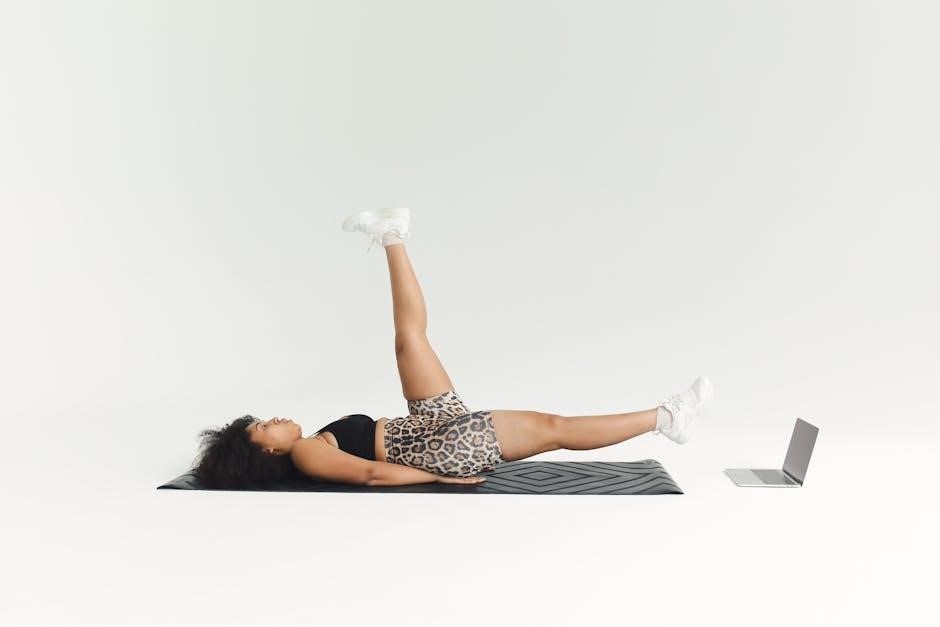
This muscle’s primary function is to flex the spine‚ bringing the ribs and pelvis closer together‚ and it’s heavily engaged in exercises like crunches and leg raises – commonly found in a well-designed PDF.
However‚ a comprehensive core workout PDF won’t solely focus on aesthetics; it will emphasize the rectus abdominis’ role in stabilizing the trunk and supporting spinal health.
Effective PDF routines will include variations to target different portions of the muscle‚ ensuring balanced development and preventing imbalances. Understanding its function is key to maximizing results from your core workout PDF.
A good PDF will also explain how to properly engage the rectus abdominis during exercises‚ minimizing the risk of injury and maximizing effectiveness.
Obliques (Internal & External)
The obliques – internal and external – are crucial for rotational movements and side bending‚ and a comprehensive core workout PDF will dedicate significant attention to their strengthening.
The external obliques run diagonally downwards and inwards‚ while the internal obliques lie beneath‚ running diagonally upwards and inwards; a PDF should illustrate their anatomical positioning.
Exercises like Russian twists and side planks‚ frequently included in a quality core workout PDF‚ effectively target these muscles‚ improving rotational power and spinal stability.
A well-structured PDF will emphasize the importance of balanced oblique development to prevent imbalances that can lead to lower back pain or postural issues.
Furthermore‚ a detailed core workout PDF will provide modifications for different fitness levels‚ ensuring accessibility and progressive overload for optimal results.
Transverse Abdominis
The transverse abdominis (TVA) is the deepest abdominal muscle‚ acting like a natural corset‚ and a well-designed core workout PDF will prioritize its activation for optimal core stability.
Unlike muscles focused on movement‚ the TVA primarily stabilizes the spine and pelvis; a PDF should explain this function and its importance for injury prevention.
Exercises like planks and dead bugs‚ commonly featured in a core workout PDF‚ require conscious engagement of the TVA to maintain proper form and prevent lower back arching.
A quality PDF will guide users on how to “draw-in” the navel towards the spine‚ effectively activating the TVA during various exercises‚ enhancing core control.
Progressive exercises within a core workout PDF will build TVA endurance‚ leading to improved posture‚ reduced back pain‚ and a stronger‚ more resilient core foundation.
Lower Back Muscles
Lower back muscles‚ often overlooked‚ are integral to core stability and function‚ and a comprehensive core workout PDF must address their strengthening alongside abdominal work.
Muscles like the erector spinae support the spine‚ enabling movement and preventing injury; a PDF should detail exercises targeting these crucial stabilizers.
Exercises such as bird-dogs and back extensions‚ frequently included in a core workout PDF‚ directly strengthen the lower back‚ improving posture and reducing pain;
A well-structured PDF will emphasize proper form during these exercises to avoid strain‚ highlighting the importance of controlled movements and core engagement.
Balancing abdominal exercises with lower back work‚ as demonstrated in a detailed core workout PDF‚ creates a robust and resilient core‚ minimizing injury risk and maximizing performance.

Pelvic Floor Muscles
Pelvic floor muscles are foundational to core strength‚ providing vital support for the spine‚ pelvis‚ and internal organs – a crucial component often missing from standard routines.
A comprehensive core workout PDF should incorporate exercises specifically targeting these muscles‚ enhancing stability and contributing to overall core functionality.
Exercises like Kegels‚ often included in a specialized core workout PDF‚ strengthen the pelvic floor‚ improving bladder control and supporting lower back health.
Integrating pelvic floor exercises into a PDF routine addresses a frequently neglected aspect of core training‚ benefiting both men and women of all ages.
A well-designed core workout PDF will provide clear instructions and modifications‚ ensuring proper technique and maximizing the benefits of pelvic floor engagement for a truly holistic core;

Benefits of a Strong Core
A strong core‚ detailed in a core workout PDF‚ reduces injuries‚ improves posture and balance‚ and alleviates back pain – essential for overall well-being!
Improved Posture
A core workout PDF emphasizes exercises that directly combat the slouching and imbalances often caused by modern lifestyles. Strengthening your core muscles – including the abdominals‚ obliques‚ and lower back – provides a stable foundation for your spine.
This stability allows you to maintain proper alignment‚ preventing excessive curvature and promoting a naturally upright posture. Think of your core as the central support system for your entire body; when it’s strong‚ everything else falls into place.
Consistent practice‚ guided by a well-structured PDF‚ will retrain your muscles to support your spine throughout daily activities‚ whether you’re sitting at a desk‚ standing‚ or walking. Improved posture isn’t just about aesthetics; it also reduces strain on your joints and improves breathing efficiency‚ contributing to overall health and vitality.
Reduced Back Pain
A core workout PDF is a powerful tool in mitigating and preventing back pain‚ as a weak core often contributes to spinal instability and increased stress on the back muscles. Strengthening these muscles provides essential support for the spine‚ reducing the load and minimizing discomfort.
Exercises detailed within a comprehensive PDF focus on building endurance and stability in the abdominal and back muscles‚ helping to correct imbalances and improve spinal alignment. This‚ in turn‚ alleviates pressure on the intervertebral discs and reduces the risk of injury.
By consistently following a core-focused routine‚ you can develop a resilient back‚ capable of withstanding the demands of daily life. Remember‚ a strong core isn’t just about having visible abs; it’s about protecting your spine and enjoying a pain-free life.
Enhanced Balance & Stability
A core workout PDF is instrumental in dramatically improving your balance and overall stability‚ as the core muscles act as the central link between your upper and lower body. Strengthening this connection allows for more efficient movement and a reduced risk of falls.
Exercises outlined in a well-designed PDF target the deep stabilizing muscles‚ enhancing proprioception – your body’s awareness of its position in space. This heightened awareness translates to improved coordination and control during everyday activities and athletic pursuits.
Whether you’re navigating uneven terrain or simply standing for extended periods‚ a strong core provides the foundation for unwavering balance. Investing in a core-focused routine‚ guided by a PDF‚ is an investment in your physical well-being and confidence.
Injury Prevention
A comprehensive core workout PDF is a proactive step towards minimizing your risk of injuries‚ as a strong core acts as a natural brace for your spine and protects vulnerable areas. By strengthening the muscles surrounding your torso‚ you create a stable foundation for all movements.
The exercises detailed within a quality PDF help to improve biomechanics and reduce stress on joints‚ particularly the lower back‚ hips‚ and knees. This is crucial for preventing strains‚ sprains‚ and more serious injuries during physical activity.
Consistent core training‚ guided by a structured PDF‚ builds resilience and prepares your body to handle unexpected forces. It’s not just about aesthetics; it’s about safeguarding your body and ensuring long-term physical health and functionality.
Core Workout Exercises
A core workout PDF unlocks a variety of exercises – planks‚ crunches‚ leg raises‚ and Pilates moves – to build strength and stability effectively!
Hundreds of exercises exist‚ but a well-designed PDF provides a curated selection for optimal results‚ catering to all fitness levels.
Classic moves like planks and twists remain effective‚ while a PDF can introduce variations to challenge your core and prevent plateaus.
Plank Variations
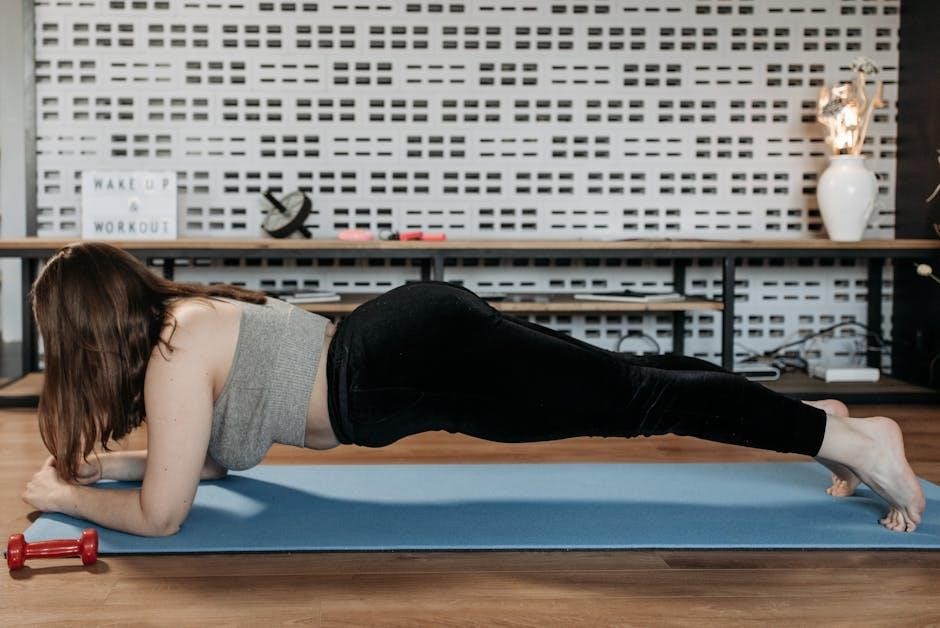
A comprehensive core workout PDF will invariably feature plank variations‚ moving beyond the standard form to challenge your stability and engage different core muscles. The standard plank‚ foundational for core strength‚ requires maintaining a straight line from head to heels‚ engaging abs and glutes.
To increase difficulty‚ a PDF often includes the side plank‚ targeting obliques and improving lateral stability. This variation demands balance and controlled movement‚ strengthening the core from a different angle. Further progression comes with the plank with leg lift‚ elevating one leg while maintaining plank form – a fantastic exercise for enhancing core control and endurance.
These variations‚ detailed within a quality core workout PDF‚ prevent plateaus and ensure continuous core development. Remember proper form is crucial; a PDF should include visual guides and cues to ensure correct execution‚ maximizing benefits and minimizing injury risk.
Standard Plank
A core workout PDF will always begin with the foundational standard plank. This exercise is a cornerstone of core strength‚ demanding full-body engagement. Begin in a push-up position‚ but instead of resting on your hands‚ lower onto your forearms‚ ensuring elbows are directly beneath shoulders.
Maintain a straight line from head to heels‚ actively squeezing your glutes and drawing your navel towards your spine. Avoid sagging hips or lifting your back – proper form is paramount‚ often visually demonstrated in a good core workout PDF.
Hold this position for 30-60 seconds‚ gradually increasing duration as your strength improves. A detailed PDF will outline progression strategies‚ suggesting modifications for beginners and advanced variations for seasoned fitness enthusiasts. Remember‚ the standard plank isn’t just about time; it’s about maintaining perfect form throughout.
Side Plank
A comprehensive core workout PDF will invariably include the side plank‚ a fantastic exercise for targeting the obliques and improving lateral stability. Lie on your side with your legs extended and stacked. Prop yourself up onto your forearm‚ ensuring your elbow is directly beneath your shoulder.
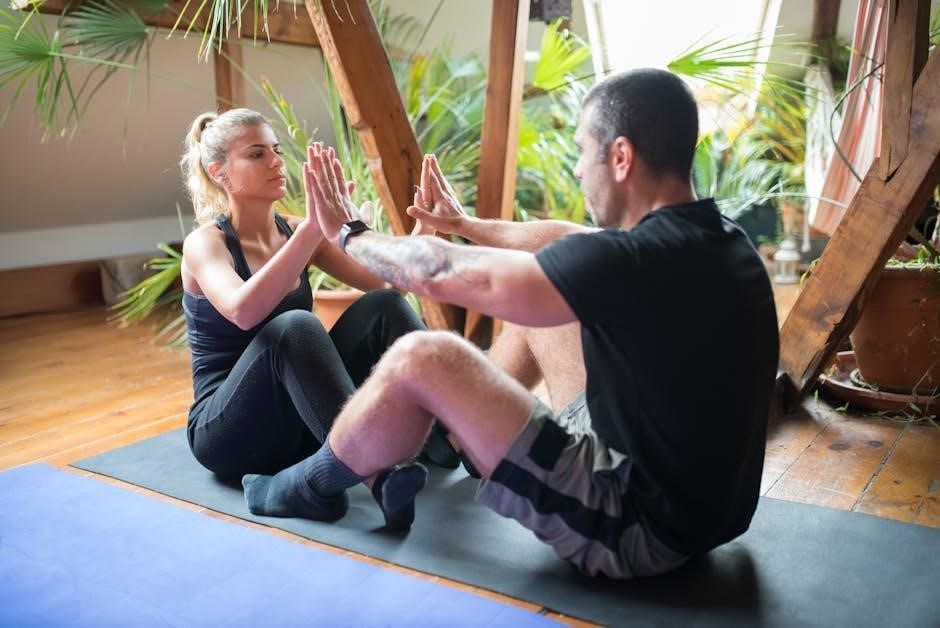
Lift your hips off the ground‚ creating a straight line from head to feet. Engage your core‚ squeezing your glutes and preventing your body from sagging. A well-designed core workout PDF will emphasize maintaining this alignment throughout the exercise.
Hold for 30-60 seconds per side‚ focusing on controlled breathing. Modifications‚ like bending the bottom knee‚ are often included in PDF guides for beginners. Advanced users can add hip dips or leg lifts for increased challenge. The side plank builds functional strength crucial for everyday movements.
Plank with Leg Lift
A robust core workout PDF will feature the plank with leg lift‚ a dynamic variation that intensifies core engagement and challenges stability. Begin in a standard plank position – forearms on the ground‚ body forming a straight line from head to heels. Ensure your core is braced and your back is flat.
Slowly lift one leg off the ground‚ keeping it straight and maintaining a stable plank position. Avoid arching your back or rotating your hips. A detailed core workout PDF will highlight the importance of controlled movement and core stabilization during this exercise.
Hold for a second‚ then lower the leg back to the starting position. Repeat on the other side. Aim for 10-15 repetitions per leg. This plank variation‚ as outlined in a quality PDF‚ builds strength and endurance in the lower back and glutes alongside the core.
Abdominal Exercises
A comprehensive core workout PDF must include targeted abdominal exercises to build strength and definition. While a strong core is more than just “six-pack abs‚” these movements are crucial for overall core function. Classic exercises like crunches‚ Russian twists‚ and leg raises form the foundation of many abdominal routines.
Your PDF should detail proper form for each exercise to maximize effectiveness and minimize risk of injury. Crunches target the upper abs‚ while Russian twists engage the obliques. Leg raises work the lower abdominal muscles. A well-structured core workout PDF will provide variations for different fitness levels.
Remember‚ a focus on quality over quantity is key. Controlled movements and consistent engagement of the core muscles are more important than performing a high number of repetitions with poor form‚ as emphasized in a detailed core workout PDF.
Crunches
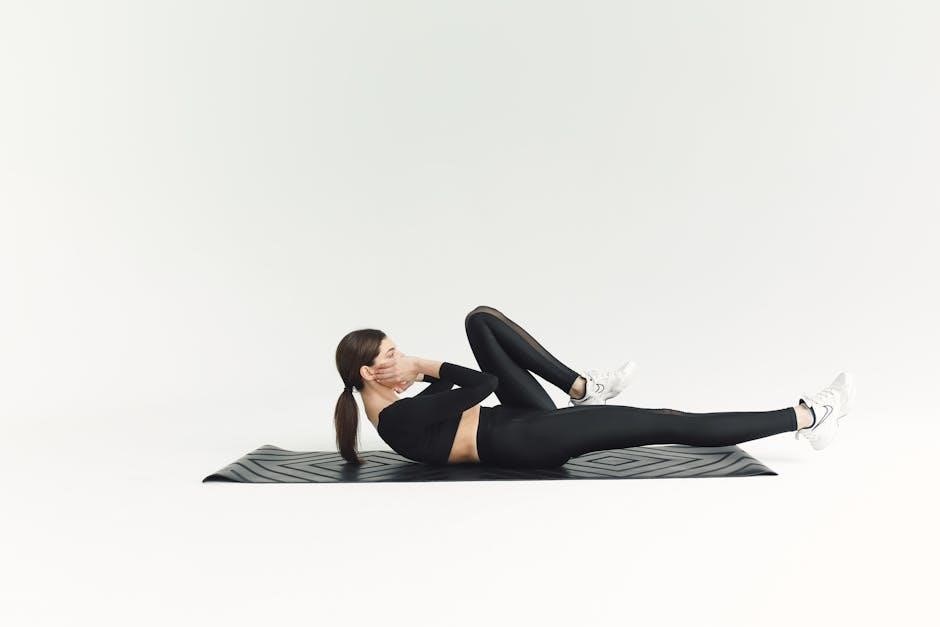
A detailed core workout PDF will thoroughly explain crunches‚ a foundational abdominal exercise. Begin by lying on your back with knees bent and feet flat on the floor. Place your hands lightly behind your head‚ supporting your neck – avoid pulling! Engage your abdominal muscles and lift your upper body towards your knees‚ focusing on contracting the abs‚ as detailed in the PDF.
Your core workout PDF should emphasize controlled movements. Avoid using momentum to lift your body; the movement should come from your abdominal muscles. Slowly lower yourself back down‚ maintaining control throughout the entire exercise. Proper form prevents neck strain and maximizes abdominal engagement‚ as illustrated in the PDF’s diagrams.
Variations‚ like bicycle crunches or reverse crunches‚ can be included in your core workout PDF to challenge your muscles further. Remember‚ consistency and proper technique are key to achieving results!
Russian Twists
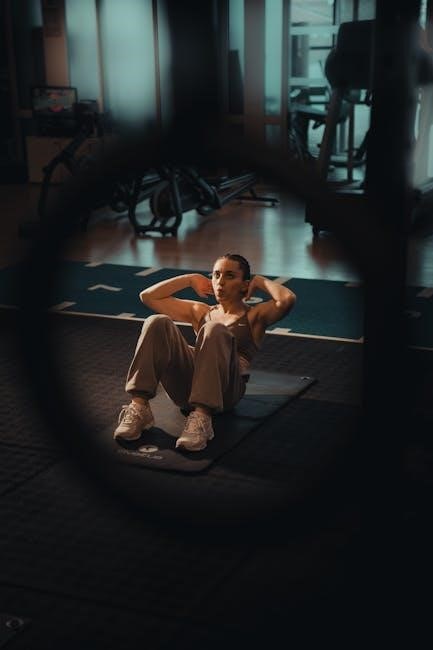
Your comprehensive core workout PDF should feature Russian Twists‚ an excellent exercise for targeting the obliques. Begin by sitting on the floor with your knees bent and feet slightly elevated – for a greater challenge‚ keep your feet completely off the ground‚ as shown in the PDF. Lean back slightly‚ maintaining a straight back‚ and engage your core.
Hold a weight (dumbbell‚ medicine ball‚ or even a water bottle) or simply clasp your hands together. Twist your torso from side to side‚ bringing the weight towards the floor on each side. The PDF will highlight the importance of controlled movements‚ focusing on twisting from your core‚ not just moving your arms.
The core workout PDF should also note that maintaining proper form prevents lower back strain. Focus on keeping your back straight and engaging your obliques throughout the exercise. Varying the weight increases the intensity!
Leg Raises
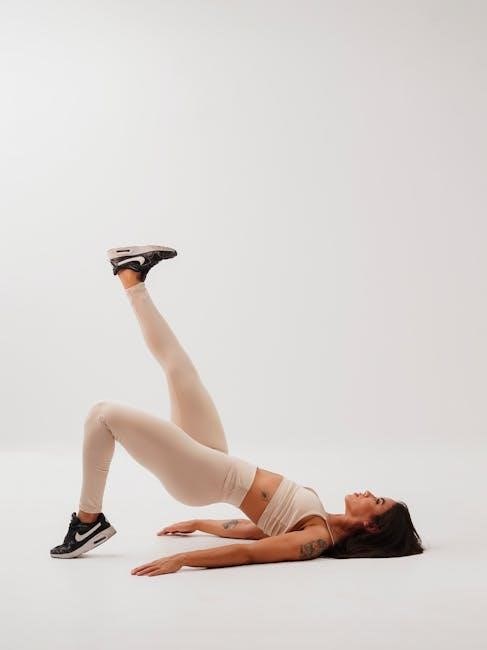
A well-rounded core workout PDF must include Leg Raises‚ a fantastic exercise for strengthening the lower abdominal muscles. Begin by lying flat on your back with your legs extended. Place your hands under your glutes for lower back support‚ as detailed in the PDF’s instructional images.
Keeping your legs straight (or slightly bent if needed)‚ slowly raise them towards the ceiling‚ engaging your lower abs. Avoid arching your back; press it firmly into the floor throughout the movement. The PDF will emphasize controlled ascent and descent‚ preventing momentum from taking over.
Slowly lower your legs back down to the starting position‚ maintaining core engagement. The core workout PDF should also suggest variations‚ like hanging leg raises‚ for increased difficulty. Proper form is crucial to avoid strain!
Pilates-Inspired Core Exercises
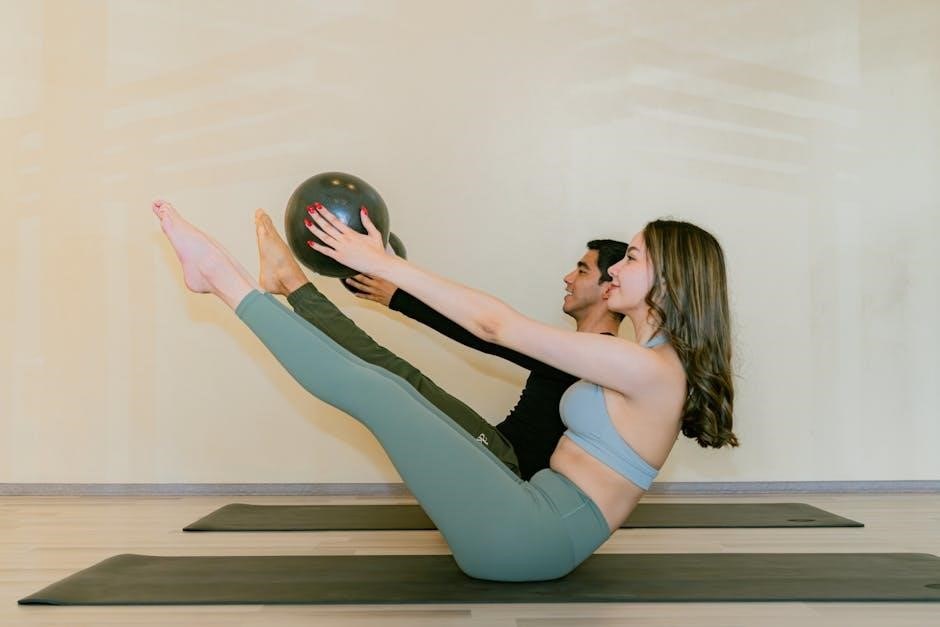
A comprehensive core workout PDF shouldn’t overlook the power of Pilates! Renowned for building solid core strength‚ Pilates exercises often fly under the radar‚ yet deliver exceptional results. Your PDF will showcase movements focusing on precise control and mindful engagement of deep core muscles.
Expect detailed instructions and visual aids for exercises like “The Hundred‚” a classic Pilates move challenging core endurance. The PDF will also feature “Roll-Ups‚” promoting spinal articulation and core strength‚ and “Single Leg Circles‚” enhancing stability and control.
These Pilates-inspired exercises‚ clearly outlined in the core workout PDF‚ emphasize breathwork and proper form‚ maximizing core activation and minimizing risk of injury. They offer a unique and effective approach to core conditioning.
The Hundred
Your core workout PDF will dedicate a section to “The Hundred‚” a foundational Pilates exercise renowned for building core endurance and stability. This challenging move involves lying supine with knees bent or extended‚ and curling the upper body while pumping the arms vigorously.
The PDF will provide step-by-step instructions‚ accompanied by clear images‚ demonstrating proper form and breathing technique. Participants inhale for five pumps and exhale for five pumps‚ repeating this cycle for a total of 100 pumps – hence the name!
Modifications will be included within the core workout PDF to accommodate different fitness levels‚ such as keeping the head down or knees bent. Emphasis will be placed on maintaining a stable core and avoiding strain on the neck. This exercise is a cornerstone of Pilates core work.
Roll-Ups
A comprehensive core workout PDF will feature Roll-Ups‚ a Pilates exercise designed to strengthen the entire abdominal region and improve spinal articulation. Starting supine with legs extended and arms overhead‚ the exercise involves slowly rolling the body up to a seated position‚ engaging the core throughout.
The PDF will detail the importance of maintaining a C-curve in the spine during the roll-up‚ preventing strain and maximizing core engagement. Clear illustrations will demonstrate proper technique‚ emphasizing controlled movement and breath coordination – inhale to prepare‚ exhale during the roll.
Modifications‚ included in the core workout PDF‚ will offer options for beginners‚ such as using arms to assist the movement or performing partial roll-ups. This exercise builds strength and flexibility‚ contributing to a well-rounded core routine and improved posture.
Single Leg Circles
A detailed core workout PDF will include Single Leg Circles‚ a Pilates exercise targeting deep core stability and hip mobility. Starting supine with one leg extended towards the ceiling and the other bent‚ the extended leg performs small‚ controlled circles in the hip socket.
The PDF will emphasize maintaining a stable pelvis and engaging the transverse abdominis throughout the exercise‚ preventing lower back arching. Illustrations will showcase proper form‚ highlighting the importance of keeping the core engaged and the hips square.
Variations‚ detailed within the core workout PDF‚ will offer modifications for different fitness levels‚ such as reducing the circle size or bending the supporting leg. This exercise enhances core control‚ improves coordination‚ and strengthens the stabilizing muscles around the hip joint.
Creating a Core Workout PDF
Crafting a core workout PDF involves structuring exercises‚ sets‚ reps‚ warm-ups‚ and cool-downs for optimal results‚ ensuring a balanced and effective fitness guide.
Workout Structure & Sets/Reps
Designing your core workout PDF requires a thoughtful structure. Begin with a dynamic warm-up‚ preparing muscles for exertion. A typical core workout should incorporate exercises targeting all core muscle groups – rectus abdominis‚ obliques‚ transverse abdominis‚ and lower back;
For beginners‚ aim for 3 sets of 10-12 repetitions for each exercise. As strength increases‚ progress to 4 sets of 15-20 reps‚ or incorporate more challenging variations. Rest periods between sets should be 30-60 seconds.
Consider a circuit-style approach‚ moving between exercises with minimal rest‚ to elevate heart rate and enhance calorie burn. Varying the exercises within your core workout PDF prevents plateaus and maintains engagement. Remember to prioritize proper form over the number of repetitions to avoid injury.
A well-structured PDF will clearly outline the exercise order‚ sets‚ reps‚ and rest intervals for easy follow-along.
Warm-up Exercises
A crucial component of any effective core workout PDF is a dynamic warm-up. This prepares your muscles for the demands of the workout‚ reducing injury risk and enhancing performance. Begin with 5-10 minutes of light cardio‚ such as jogging in place or jumping jacks‚ to increase blood flow.
Follow this with dynamic stretches specifically targeting the core. Include exercises like torso twists‚ arm circles‚ and leg swings. Cat-cow stretches are excellent for mobilizing the spine and lower back. Bird-dog exercises activate core muscles while improving stability.
Your core workout PDF should visually demonstrate each warm-up exercise with clear instructions. Emphasize controlled movements and proper form. A thorough warm-up ensures your core is primed and ready for a challenging and effective workout session.
Cool-down & Stretching
Your comprehensive core workout PDF must include a dedicated cool-down and stretching section. This is vital for muscle recovery‚ flexibility‚ and preventing soreness. Begin with 5-10 minutes of light cardio‚ like walking‚ to gradually lower your heart rate.
Follow with static stretches‚ holding each for 20-30 seconds. Focus on stretches targeting the abdominal muscles‚ lower back‚ obliques‚ and hip flexors. Examples include lying knee twists‚ child’s pose‚ and hamstring stretches.
A well-designed core workout PDF will illustrate each stretch with clear images and instructions. Remind users to breathe deeply throughout each stretch. Prioritizing a proper cool-down and stretch routine enhances the benefits of your core workout and promotes long-term muscle health.