What is an Instructional Assistant? A Comprehensive Guide
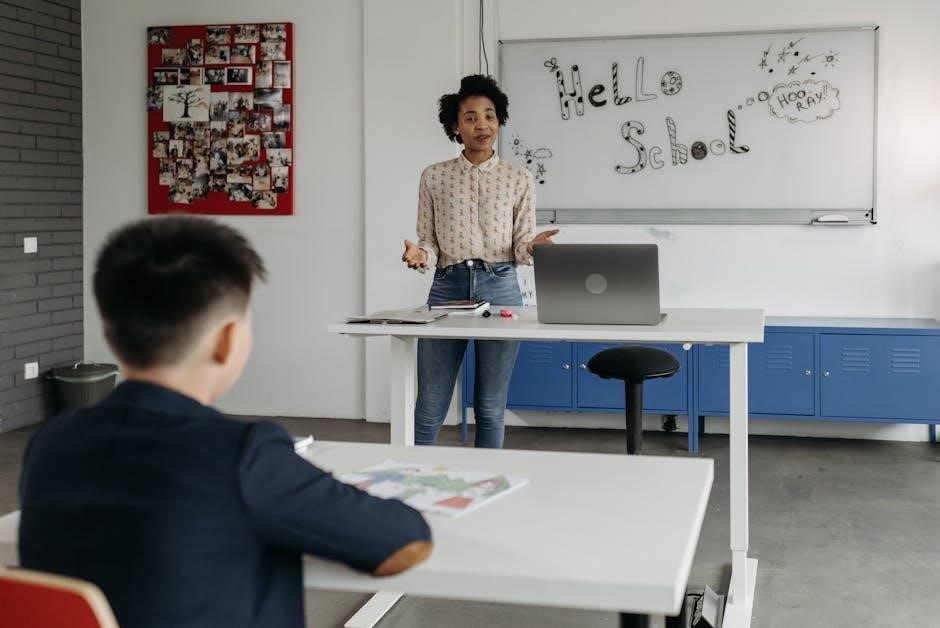
Instructional Assistants play a vital role in education, offering support within classrooms and assisting teachers with diverse tasks, including data collection and student progress.
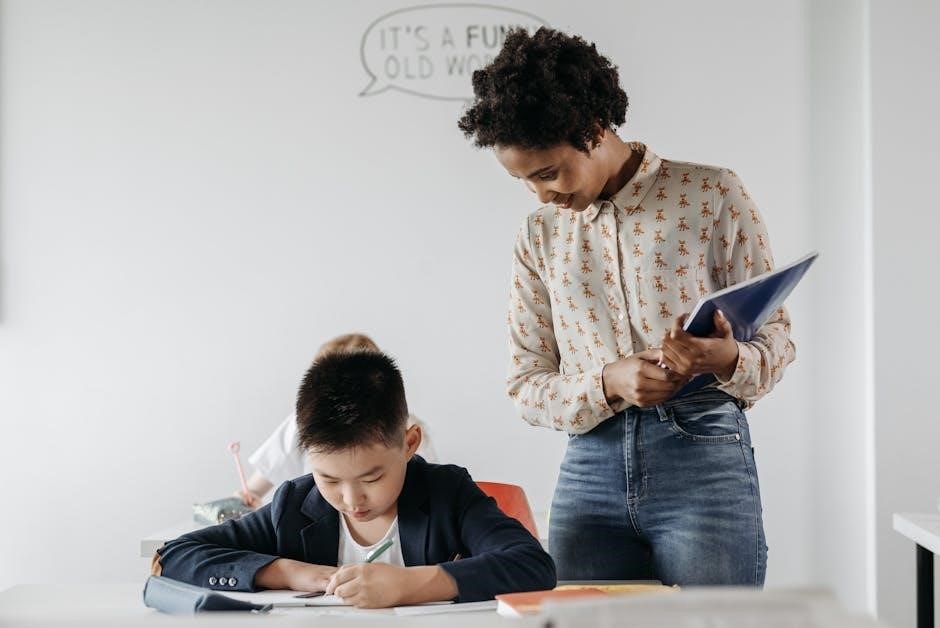
Instructional Assistants (IAs) are crucial members of the educational team, providing invaluable support to teachers and students alike. Their role is multifaceted, encompassing both direct student interaction and essential classroom assistance. IAs often work both within the general education classroom – a “push-in” approach – and outside of it, in “pull-out” sessions designed for targeted skill development.
These positions can vary significantly; some IAs focus on consistent support with a specific group of students, like in a kindergarten setting, while others rotate through multiple grade levels and classrooms, gaining broad experience. The core of the role revolves around facilitating learning, monitoring student progress, and collaborating closely with educators. Expect a strong emphasis on data collection, as demonstrating student growth is paramount. Understanding how to measure progress and communicate effectively with teachers is key to success.
Defining the Instructional Assistant Position
An Instructional Assistant’s position is fundamentally supportive, designed to enhance the teacher’s ability to deliver effective instruction. It’s not a teaching role in itself, but rather a collaborative one, focused on implementing lesson plans and providing individualized or small-group assistance. This often involves working with students on specific skills, reinforcing concepts, and offering extra help to those who need it.
The position’s scope can range from assisting with administrative tasks like making copies to leading learning centers or even co-teaching segments of a lesson. A significant aspect is data collection – tracking student performance and reporting progress to the teacher. IAs may also be responsible for accompanying students to various services or supporting behavioral interventions. The role demands flexibility, adaptability, and a commitment to fostering a positive learning environment.
The Core Responsibilities of an Instructional Assistant
Instructional Assistants shoulder a diverse set of responsibilities centered around supporting both teachers and students. These include assisting with classroom management, preparing materials, and providing one-on-one or small group instruction. A key function is implementing individualized education programs (IEPs) under the guidance of special education teachers, ensuring students receive tailored support.
Furthermore, IAs are often tasked with collecting data on student performance, meticulously tracking progress towards goals. This data informs instructional decisions and allows for targeted interventions. Responsibilities can also extend to facilitating “pull-out” sessions for focused skill work, accompanying students to related services, and assisting with administrative duties. Effective communication with teachers and a proactive approach are essential components of this role.

Key Duties and Responsibilities
Instructional Assistants expertly deliver classroom support, facilitate small group instruction, conduct pull-out sessions, and diligently collect data to monitor student progress effectively.
Classroom Support and Assistance
Instructional Assistants provide crucial support within the general education setting, often working directly alongside the teacher in various capacities. This can involve assisting with daily classroom routines, preparing materials for lessons, and organizing learning centers. A significant portion of their time may be dedicated to “push-in” support, where they work with small groups of students or provide one-on-one assistance to those needing extra help.
They might also be tasked with helping students navigate classroom technology, manage behavior, or simply stay on task. Furthermore, assistants frequently aid in maintaining a positive and productive learning environment by assisting with tasks like making copies, setting up equipment, and ensuring the classroom remains tidy. The role is incredibly dynamic, adapting to the specific needs of the teacher and students at any given moment, ensuring a smooth and effective learning experience for all.
Small Group and One-on-One Instruction
Instructional Assistants frequently lead small group sessions, reinforcing concepts taught by the teacher and providing targeted support to students who require additional practice. These groups allow for a more personalized learning experience, enabling the assistant to address specific skill gaps and learning styles. Equally important is the one-on-one instruction they provide, offering individualized attention to students needing intensive support.
This direct interaction allows assistants to build rapport with students and tailor instruction to their unique needs. They may work on pre-teaching concepts, re-teaching material, or providing enrichment activities. The ability to differentiate instruction is key, ensuring each student receives the appropriate level of challenge and support. This focused attention significantly contributes to student progress and confidence, fostering a positive learning environment.
Pull-Out Sessions and Targeted Skill Work
Instructional Assistants often conduct “pull-out” sessions, removing students from the general education classroom for focused intervention. These sessions address specific academic or behavioral goals, providing a distraction-reduced environment for intensive skill work. Locations vary – a quiet corner of the room, a dedicated office, or even the library – prioritizing a conducive learning space.
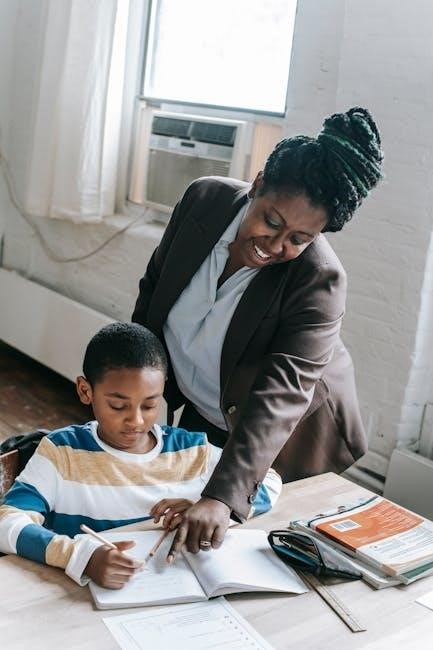
Targeted skill work during pull-out sessions might include phonics practice, reading comprehension strategies, math fact fluency, or social skills training. Assistants utilize individualized plans, often aligned with IEP goals, to ensure instruction is relevant and effective. This concentrated support helps students overcome challenges and build foundational skills. The flexibility of pull-out sessions allows for customized learning experiences, catering to individual student needs and promoting academic growth.
Data Collection and Progress Monitoring
Instructional Assistants are frequently responsible for collecting crucial student data to inform instructional decisions. This involves meticulously documenting observations of student performance, tracking progress on specific skills, and recording responses to interventions. Data collection methods can range from simple checklists and anecdotal notes to more formal assessments and progress monitoring tools.
Analyzing this data is key; assistants help identify patterns, strengths, and areas where students require additional support. They then communicate these findings to teachers and special education staff, contributing to individualized education program (IEP) reviews and adjustments. A strong emphasis on data – data, data, data – is common in interviews, highlighting its importance. Accurate and consistent data collection is vital for demonstrating student growth and ensuring effective instruction.
Types of Instructional Assistant Roles
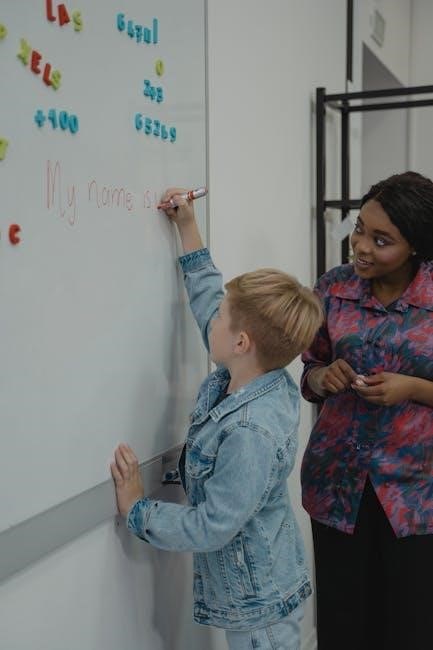
Instructional Assistant roles vary, encompassing general education support, specialized assistance for students with disabilities, behavioral support, and grade-level specific positions.
General Education Classroom Support
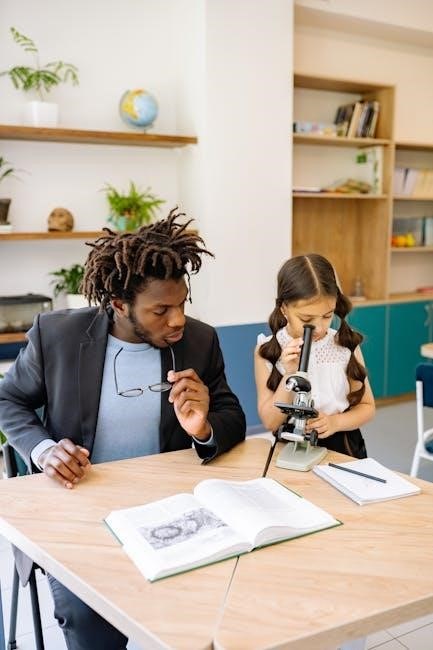
In a general education setting, Instructional Assistants provide crucial support to the teacher and all students. This often involves a blend of “push-in” and “pull-out” time. During push-in time, the assistant works directly within the classroom, potentially assisting with small groups, providing one-on-one help to students needing extra attention, or even co-teaching alongside the teacher. This collaborative approach ensures all learners receive appropriate support.
Pull-out sessions allow for targeted skill work with students who require more focused intervention. These sessions might take place at a table within the classroom, in a dedicated office space, or even a quiet hallway area. The assistant’s role is to reinforce concepts taught by the teacher and help students master specific skills. This position offers exposure to diverse teaching styles and grade levels, potentially helping aspiring educators discover their ideal fit within the educational landscape.
Special Education Support
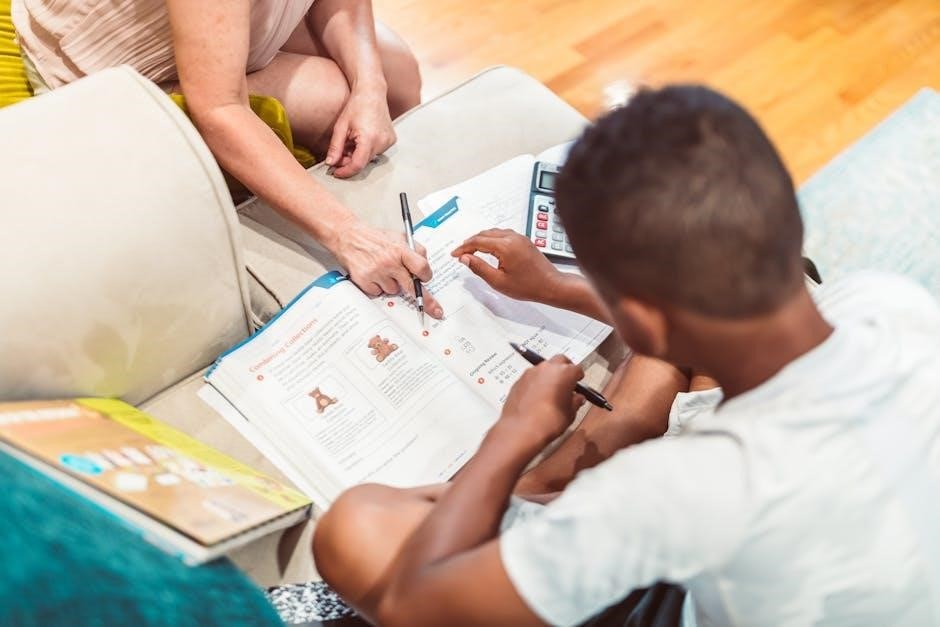
Instructional Assistants in special education are integral to implementing Individualized Education Programs (IEPs). They often work closely with students who have a wide range of learning needs, providing individualized instruction and support. This can involve running small groups focused on specific IEP goals, assisting students with accessing the curriculum, and monitoring their progress towards those goals.
A significant aspect of this role is following students to and from various services, like speech therapy or occupational therapy. Assistants may also be responsible for creating learning centers, preparing materials, and even leading writing lessons tailored to different grade levels. In some cases, they provide one-on-one support, accompanying a student throughout the school day and assisting the teacher when needed, fostering a supportive and inclusive learning environment.
Behavioral Support Roles
Instructional Assistants in behavioral support often work within self-contained classrooms or provide individualized assistance to students with significant behavioral challenges. These roles demand patience, understanding, and a proactive approach to de-escalation techniques. Assistants may be responsible for implementing behavior intervention plans, collecting data on student behaviors, and providing positive reinforcement.
They frequently assist students in developing coping mechanisms and social skills, fostering a safe and structured learning environment. Responsibilities can extend to supporting students during transitions, monitoring recess, and assisting with daily living skills. Prior experience in behavioral support, such as working in a self-contained K-3 room, is valuable, as is the ability to follow students to and from various services and collaborate effectively with teachers and specialists.
Kindergarten vs. Multi-Grade Level Positions
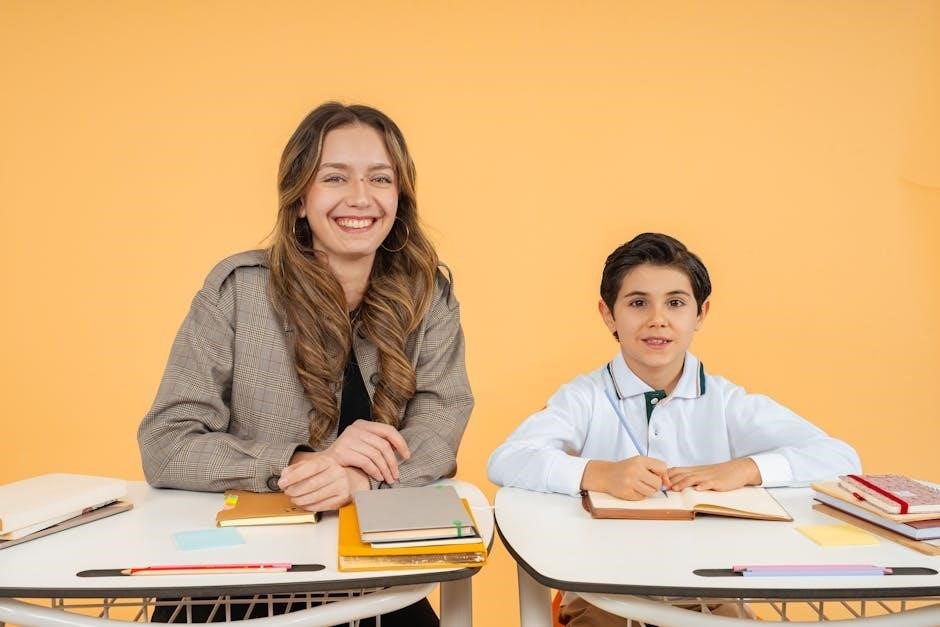
Instructional Assistant positions vary significantly depending on the setting. A Kindergarten role typically involves consistent interaction with a smaller group of students, allowing for a deep understanding of their individual academic needs and developmental stages. This focused approach fosters strong relationships and targeted support.
Conversely, a multi-grade level position exposes the assistant to a wider range of grade levels, teaching styles, and subject matter. This broader experience can be invaluable for those seeking to determine their preferred age group or classroom environment. It offers a chance to explore different pedagogical approaches and refine adaptability skills. Both options present unique benefits, with the multi-grade role potentially aiding in career exploration and skill diversification.
Required Skills and Qualifications
Successful Instructional Assistants require strong soft skills, data analysis abilities, and a foundational understanding of IEPs to effectively support students and teachers.
Educational Requirements
Generally, a high school diploma or equivalent is the minimum educational requirement for most Instructional Assistant positions. However, many districts are increasingly preferring candidates with some college coursework or an Associate’s degree. A degree in education or a related field can be particularly advantageous, though not always mandatory.
Specific requirements can vary significantly based on the state, school district, and the specific role. Some positions, especially those involving specialized support like behavioral assistance or working with students with significant needs, may necessitate a Bachelor’s degree. Completion of ParaPro Assessment tests, measuring skills in reading, writing, and math, are often required to demonstrate competency.
Ongoing professional development is also crucial. Many districts offer or require training in areas like behavior management, data collection, and understanding Individualized Education Programs (IEPs). Continuing education demonstrates a commitment to professional growth and enhances an assistant’s ability to effectively support students.
Essential Soft Skills
Beyond formal education, several soft skills are paramount for success as an Instructional Assistant. Strong communication skills are vital for interacting effectively with students, teachers, and parents. This includes both verbal and written communication, as well as active listening. Patience and empathy are crucial when working with students facing academic or behavioral challenges.
Flexibility and adaptability are also key, as daily routines can shift unexpectedly. The ability to collaborate effectively with teachers and other staff members is essential for creating a supportive learning environment. Organizational skills are needed to manage materials, track student progress, and maintain a tidy workspace.
A positive attitude and a genuine desire to help students succeed are invaluable assets. Finally, discretion and confidentiality are critical when handling sensitive student information.
Understanding IEPs (Individualized Education Programs)
A core component of many Instructional Assistant roles involves supporting students with Individualized Education Programs (IEPs). Familiarity with IEPs is crucial, as these documents outline specific learning goals, accommodations, and modifications for students with disabilities. Assistants must understand how to implement the strategies detailed within each IEP, ensuring students receive the support they need to thrive.
This includes knowing how to track progress towards IEP goals and collecting data to demonstrate student growth. Assistants often assist with administering assessments and documenting observations related to IEP objectives. Understanding the legal requirements surrounding IEPs and maintaining confidentiality are also essential.
Collaboration with special education teachers is vital for clarifying IEP goals and addressing any challenges encountered during implementation.
Data Analysis Skills for Progress Tracking
Effective Instructional Assistants are adept at collecting and analyzing student data to monitor progress. This goes beyond simply recording observations; it requires the ability to interpret data and identify trends. Assistants often track student performance on specific skills, noting areas of strength and areas needing improvement.
Understanding basic data representation, such as charts and graphs, is beneficial for visualizing student growth. The ability to accurately record data and maintain organized records is paramount. This information is then shared with teachers to inform instructional decisions and adjust interventions as needed.
Interview preparation should focus on demonstrating your ability to explain how you would collect, measure, and analyze progress, highlighting the importance of data-driven instruction.
Working with Teachers and Staff
Instructional Assistants thrive through collaboration, consistently communicating with both general and special education teachers to support lesson plans and student needs effectively.
Collaboration with General Education Teachers
Effective partnerships with general education teachers are fundamental to an Instructional Assistant’s success. This involves frequent and open communication regarding student progress, observed challenges, and the implementation of strategies. Assistants should proactively seek clarification on lesson plans and expectations to provide seamless support during classroom activities, whether it’s assisting with small groups or offering one-on-one aid.
Sharing data collected on student performance is crucial, allowing teachers to make informed decisions about instruction. Assistants can contribute by providing insights into how students respond to different teaching methods and suggesting modifications to meet individual needs. This collaborative approach ensures a cohesive learning environment where all students can thrive, and the assistant’s role is truly integrated into the classroom dynamic.
Communication with Special Education Teachers
Maintaining strong communication with special education teachers is paramount, especially when supporting students with Individualized Education Programs (IEPs). Instructional Assistants serve as a vital link, relaying observations about a student’s performance on IEP goals during both push-in and pull-out sessions. Detailed reports on progress, challenges, and any modifications made to interventions are essential for informed decision-making.
Regular check-ins allow for collaborative problem-solving and ensure consistency in support strategies. Assistants should proactively seek guidance on interpreting IEPs and implementing specific accommodations. This partnership fosters a unified approach to student success, maximizing the impact of specialized instruction and promoting inclusive learning environments. Open dialogue ensures the student’s needs are consistently met.
Supporting Teacher Lesson Plans
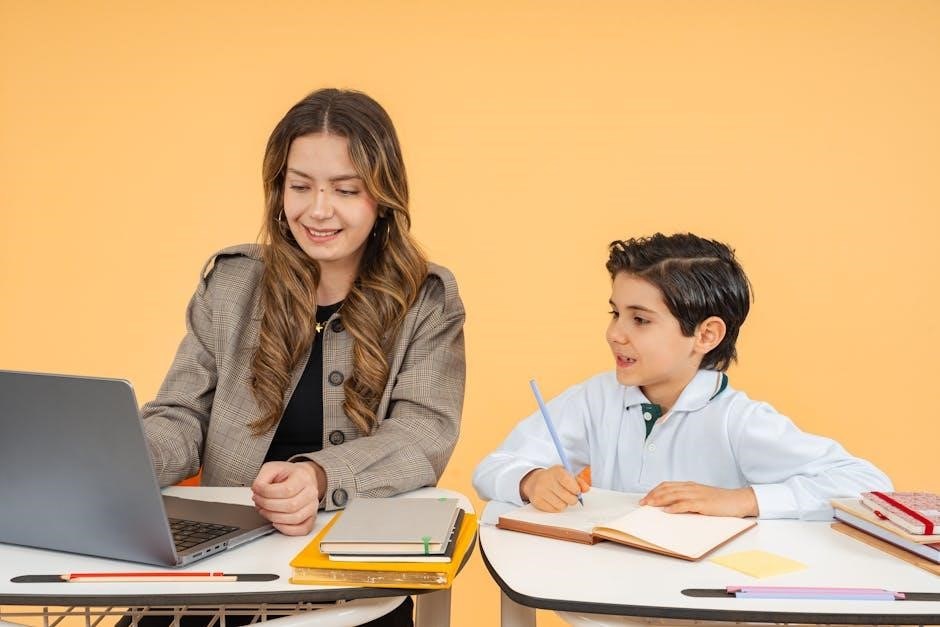
Instructional Assistants significantly contribute to the successful execution of teacher lesson plans by preparing materials, setting up learning stations, and organizing resources. This proactive support frees the teacher to focus on direct instruction and individualized student attention. Assistants may also be tasked with creating visual aids, photocopying worksheets, or managing classroom technology.
Furthermore, they can assist in differentiating instruction by modifying assignments or providing alternative activities to meet diverse learning needs. Understanding the lesson objectives allows assistants to effectively support students during independent work or small group activities. By anticipating needs and offering practical assistance, they enhance the learning experience for all students and contribute to a well-managed classroom.
The Interview Process for Instructional Assistants
Interviews heavily emphasize data collection strategies, measuring student progress, and effective communication with both general and special education teachers, proving crucial skills.
Common Interview Questions (Focus on Data)
Expect interviewers to probe your data handling abilities extensively. Questions will likely center around how you plan to collect student data – what methods would you employ to track progress effectively? Be prepared to articulate specific strategies for measuring academic growth and identifying areas where students require additional support.
They’ll want to understand your approach to documenting observations and how you’ll translate those observations into actionable insights. Furthermore, anticipate questions regarding your experience (or planned approach) to sharing this data with teachers.
How will you communicate student progress, challenges, and successes? Demonstrate your understanding of the importance of collaborative data analysis and its role in informing instructional decisions. Highlight your willingness to learn and adapt data collection methods based on teacher preferences and school protocols.
Preparing for Questions About Data Collection
Thorough preparation regarding data collection is crucial. Anticipate questions about specific methods – checklists, anecdotal notes, work sample analysis, or progress monitoring tools. Research common data collection techniques used in educational settings. Consider how you’d adapt these methods to different student needs and learning environments.
Practice articulating a clear plan for documenting student performance, focusing on observable behaviors and measurable outcomes. Be ready to discuss how you’d maintain confidentiality and ensure data accuracy.
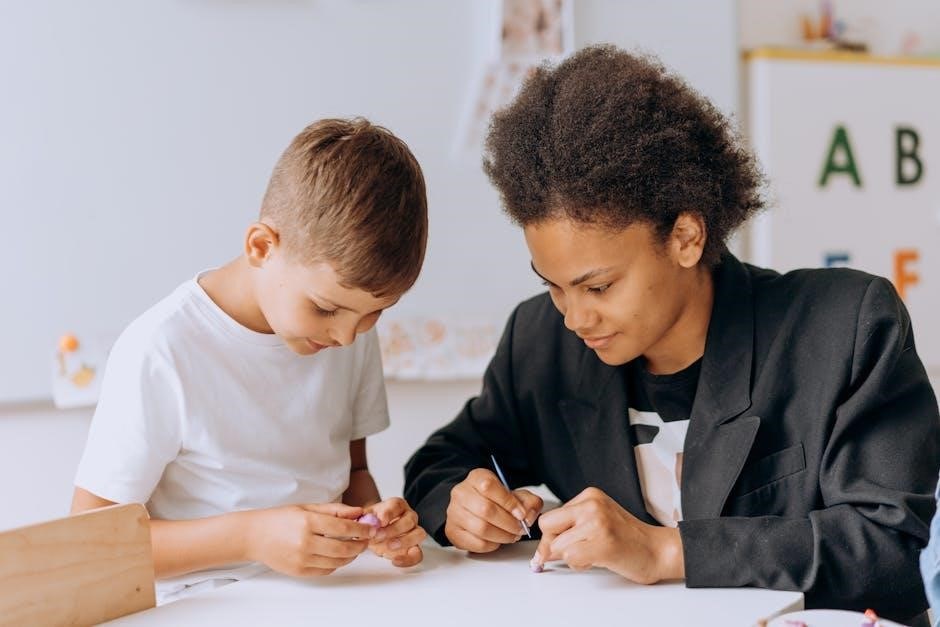
Think about how you’d organize and present data in a concise and understandable format for teachers. Demonstrate your understanding that data isn’t just about numbers; it’s about informing instruction and supporting student success. Show enthusiasm for contributing to a data-driven approach to education.
Highlighting Communication and Collaboration Skills
Emphasize your ability to build strong relationships with both general and special education teachers. Illustrate experiences where you’ve effectively communicated student progress, concerns, and observations. Detail how you’d proactively seek feedback and clarification to ensure alignment with instructional goals.
Showcase your willingness to participate in team meetings and contribute constructively to collaborative problem-solving. Explain how you’d maintain open lines of communication, utilizing various methods like email, brief notes, or scheduled check-ins.
Highlight your understanding that a successful instructional assistant is a supportive partner, readily assisting teachers while respecting their lead role. Demonstrate a commitment to fostering a positive and collaborative learning environment for all students.